In Oregon Federal Judge Restricts Use of Tear Gas Against ICE Protesters
© Gemm Media
Release Date
03/10/2026
Portland, Oregon
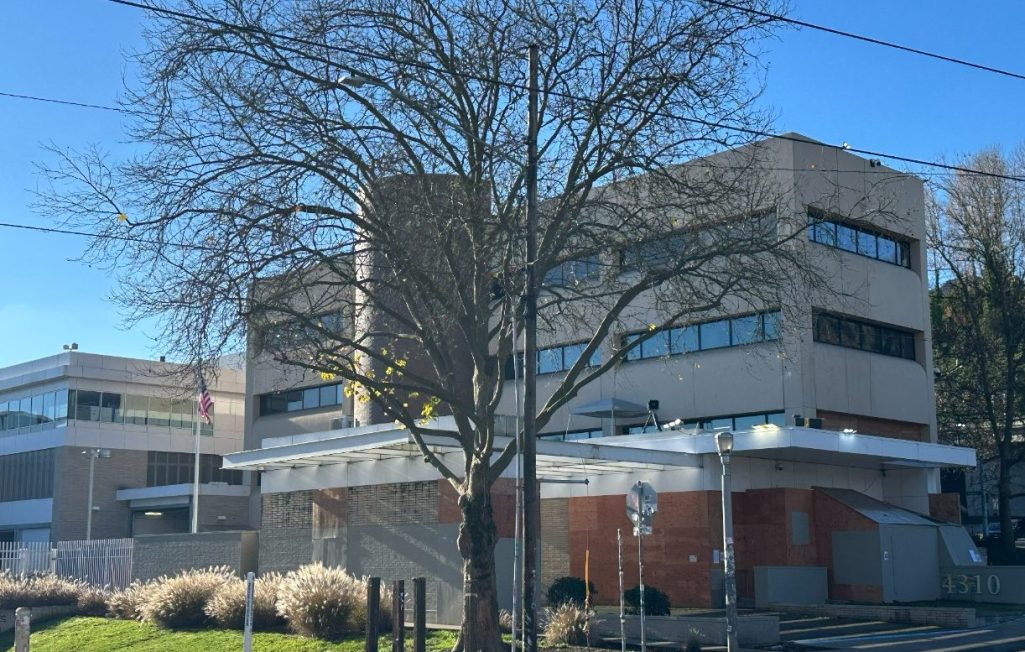
In Oregon, a federal judge on Monday restricted the use of tear gas by federal agents during protests at the U.S. Immigration and Customs Enforcement (ICE) building in Portland, in response to a lawsuit filed by the ACLU of Oregon on behalf of protesters and freelance journalists.
U.S. District Judge Michael Simon issued the preliminary injunction after a three-day hearing in which the plaintiffs, including a protester known for dressing up as a chicken, an elderly couple in their 80s, and two freelance journalists, testified about the use of chemical munitions or projectiles against them. They also say that the use of such munitions by federal agents constitutes retaliation against the protesters that violates their First Amendment rights. “The plaintiffs submitted numerous videos, which were admitted as evidence, that unequivocally show DHS agents spraying OC gas directly into the faces of peaceful, nonviolent protesters who were passively resisting, discharging tear gas, and firing pepper ball munitions into crowds of peaceful protesters.
“The defendants’ conduct of physically harming protesters and journalists without prior dispersal warnings is objectively chilling.”
DHS did not immediately respond to a request for comment. In previous statements, it asserted that federal agents followed their training and used the minimum force necessary.
Judge Simon had previously issued a temporary restraining order similarly limiting the use of chemical munitions by federal agents during the protests at the ICE building. His preliminary order is the second in recent days restricting the use of tear gas by agents at the facility, following one issued by a federal judge overseeing a separate case brought by residents of an adjacent affordable housing complex.
The aggressive tactics Federal agents' crowd control tactics are raising concerns as protesters in cities across the country demonstrate against the Trump administration's crackdown on immigration measures.
In his order on Monday, Simon restricted federal agents' use of chemical munitions or projectiles, such as pepper spray and tear gas, unless someone poses an imminent threat of physical harm. He also ordered agents not to fire munitions at the head, neck, or torso "unless the agent is legally justified in using deadly force against that person."
Furthermore, agents cannot indiscriminately use pepper spray against a group, affecting bystanders who are not involved, even though the ICE building is located in a residential area. They should only target individuals engaged in violent illegal conduct or actively resisting arrest, or use it "when reasonably necessary in self-defense," Simon wrote. He specified that trespassing, refusal to move, and refusal to obey are grounds for using pepper spray. A dispersal order constitutes passive, not active, resistance.
Judge Simon also granted provisional class certification, meaning his order covers a broader group of those who have peacefully protested or reported on demonstrations at the ICE building in recent months. The preliminary injunction will remain in effect while the lawsuit is pending.
En Oregón, un Juez Federal ha Restringido el Uso de Gas Lacrimógeno contra Manifestantes de ICE.
Fecha de Nota
03/10/2026
Portland, Oregon
En Oregón, un juez federal restringió el lunes el uso de gas lacrimógeno por parte de agentes federales durante las protestas en el edificio del Servicio de Inmigración y Control de Aduanas (ICE) de Estados Unidos en Portland, en respuesta a una demanda interpuesta por la ACLU de Oregón en nombre de manifestantes y periodistas independientes.
El juez federal de distrito Michael Simon emitió la orden preliminar tras una audiencia de tres días en la que los demandantes, entre ellos un manifestante conocido por disfrazarse de pollo, una pareja de ancianos octogenarios y dos periodistas independientes, testificaron sobre el uso de municiones químicas o proyectiles en su contra. También afirman que el uso de dichas municiones por parte de agentes federales constituye una represalia contra los manifestantes que viola sus derechos amparados por la Primera Enmienda. Los demandantes presentaron numerosos videos, admitidos como prueba, que muestran inequívocamente a agentes del DHS rociando gas OC directamente en la cara de manifestantes pacíficos y no violentos que se resistían pasivamente, disparando gas lacrimógeno y bombas de pimienta contra multitudes de manifestantes pacíficos.
La conducta de los demandados, al agredir físicamente a manifestantes y periodistas sin advertencias previas de dispersión, es objetivamente escalofriante. El DHS no respondió de inmediato a una solicitud de comentarios. En declaraciones anteriores, afirmó que los agentes federales siguieron su entrenamiento y usaron la fuerza mínima necesaria.
El juez Simon había emitido previamente una orden de restricción temporal que limitaba de manera similar el uso de municiones químicas por parte de los agentes federales durante las protestas en el edificio de ICE. Su orden preliminar es la segunda en los últimos días que restringe el uso de gas lacrimógeno por parte de los agentes en las instalaciones, tras la emitida por un juez federal que supervisa un caso separado presentado por residentes de un complejo de viviendas asequibles adyacente.
Las tácticas agresivas de control de multitudes de los agentes federales generan preocupación, ya que los manifestantes en ciudades de todo el país se manifiestan contra la represión de la administración Trump a las medidas migratorias.
En su orden del lunes, Simon restringió el uso de municiones químicas o proyectiles por parte de los agentes federales, como gas pimienta y gas lacrimógeno, a menos que alguien represente una amenaza inminente de daño físico. También ordenó a los agentes no disparar municiones a la cabeza, el cuello o el torso "a menos que el agente esté legalmente justificado para usar fuerza letal contra esa persona".
Además, los agentes no pueden disparar indiscriminadamente. Usar gas pimienta contra un grupo, afectando a transeúntes ajenos a la situación, a pesar de que el edificio de ICE se encuentra en una zona residencial. Solo deben dirigirse a personas que participen en conductas ilegales violentas o se resistan activamente al arresto, o usarlo "cuando sea razonablemente necesario en defensa propia", escribió Simon. Especificó que la invasión de propiedad privada, la negativa a moverse y la negativa a obedecer son motivos para usar gas pimienta. Una orden de dispersión constituye resistencia pasiva, no activa.
El juez Simon también otorgó la certificación provisional de grupo, lo que significa que su orden abarca a un grupo más amplio de personas que han protestado pacíficamente o informado sobre las manifestaciones en el edificio de ICE en los últimos meses. La orden preliminar permanecerá vigente mientras la demanda esté pendiente.
© Gemm Media.
© Copyright material is presented for viewing purposes only, and is not intended for copying or publication unless authorized by Gemm Broadcasting Corporation.